
Seychelles Travel Planning
When to go, how long to stay, getting around, money and the practical essentials — before you book.
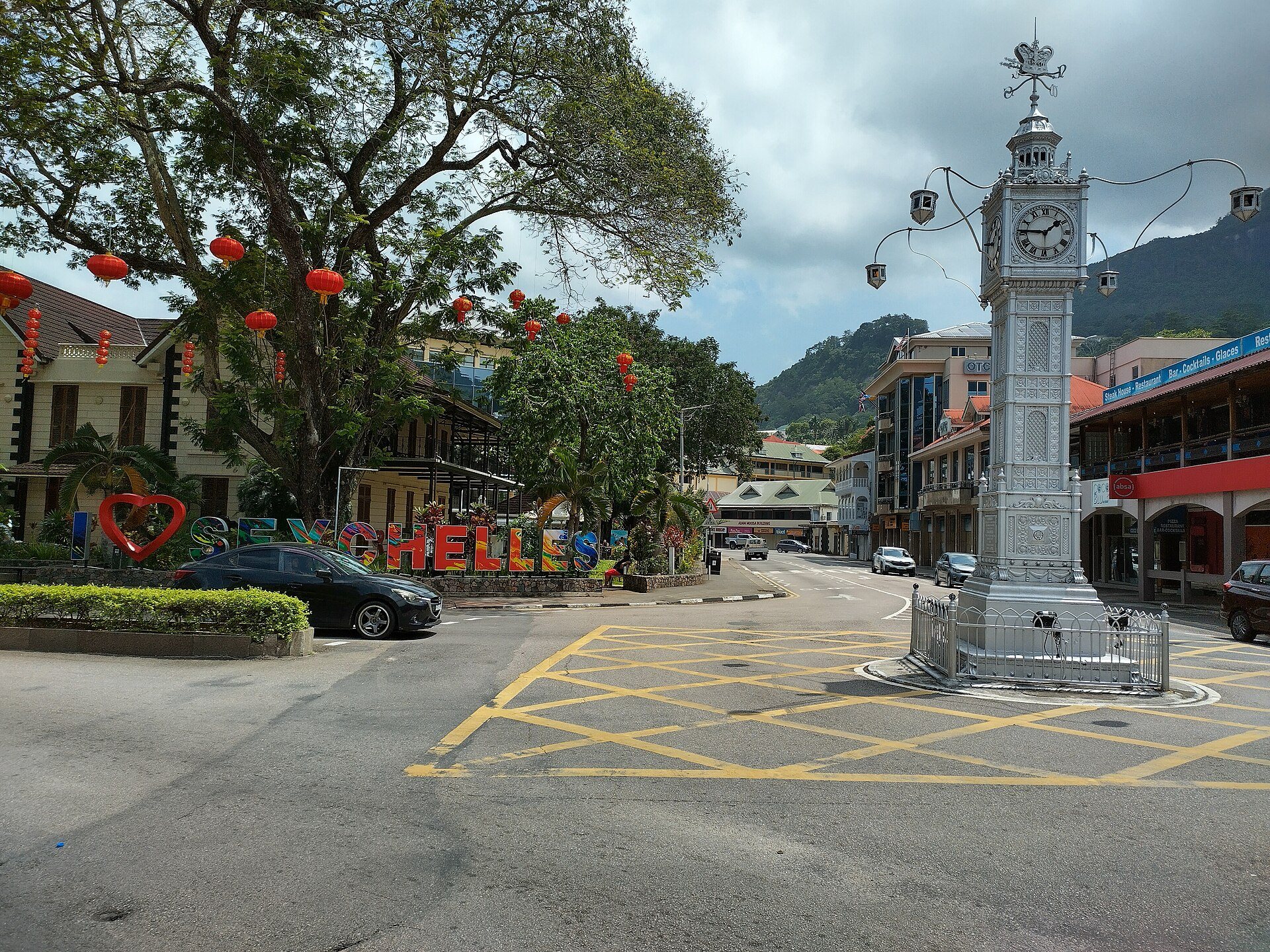
Hero image: Victoria Clock Tower 1.jpg by Vasilii Martynov, CC0, via Wikimedia Commons.
Good Seychelles travel planning comes down to a few decisions: when to go, how many islands to combine, where to base yourself on each, and how you will move between them. The islands are easy to enjoy once you are there, but distances, ferry schedules and the seasons all affect how a trip feels. This page collects the practical essentials and links to the detailed guides.
Rules and prices change. Where something depends on official requirements — entry formalities, health advice, customs — always check the current position with the official source before you travel.
When to visit Seychelles
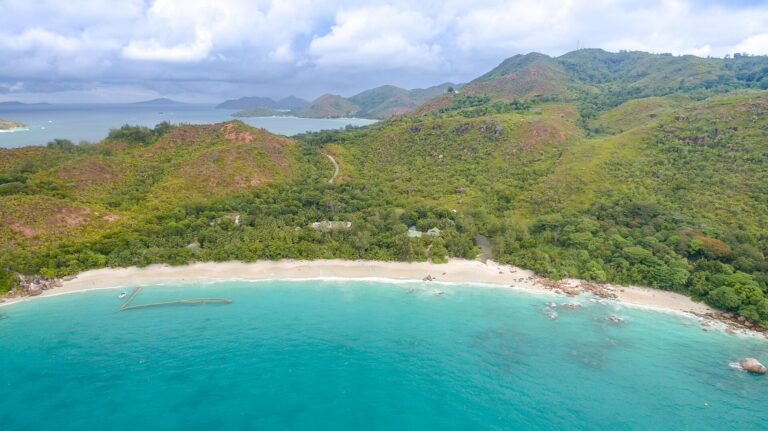
Seychelles is warm all year, and there is no single best month. The weather is shaped by two trade-wind seasons:
- North-west monsoon (roughly December to March): hotter and more humid, with heavier showers. Seas on north-west-facing coasts can be rougher, while south-east-facing coasts are often calmer.
- South-east trades (roughly May to September): cooler, breezier and often drier. Seas on exposed south- and east-facing coasts can be rough, and the Mahé–Praslin ferry crossing can be bumpy.
- Transition months (around April–May and October–November): usually the calmest seas and lightest winds — popular for snorkelling and diving.
Because wind direction changes which beaches are sheltered, the best place to stay can change through the year. The destination guides note how each area behaves.
Busy periods include European holiday seasons and the end-of-year holidays, when the best-located accommodation and the ferries can fill up early.
How long to stay
- 3–4 nights: one island, usually Mahé, perhaps with a day trip.
- 7 nights: two islands — typically Mahé and Praslin, with a day on La Digue.
- 10 nights: the classic three-island circuit at a comfortable pace.
- 14 nights: three islands plus a smaller island or a resort stay.
See Seychelles itineraries for day-by-day frameworks.
Entry formalities
Seychelles requires visitors to complete a travel authorisation online before travelling, and entry conditions — including passport validity, proof of accommodation and onward travel — can change. Check the current requirements on the official Seychelles government travel authorisation service, seychelles.govtas.com, and with your airline before you depart.
Health and insurance
Ask a travel-health professional for advice that fits your circumstances before you travel, and take out travel insurance that covers medical care and evacuation, especially if you plan to visit remote islands. Mosquito-borne illnesses occur in the region, so use repellent and cover up at dawn and dusk.
Getting to Seychelles
All international flights land at Seychelles International Airport on Mahé. If you are continuing to Praslin or La Digue, check how your arrival time fits domestic flights and ferries; if you land late, spend the first night on Mahé.
Getting around
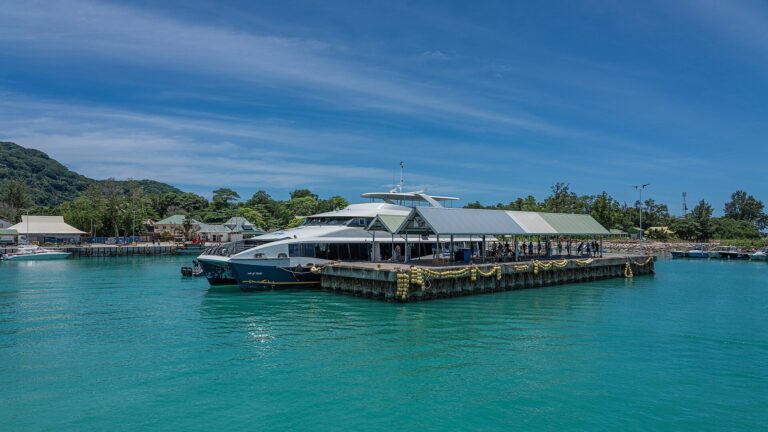
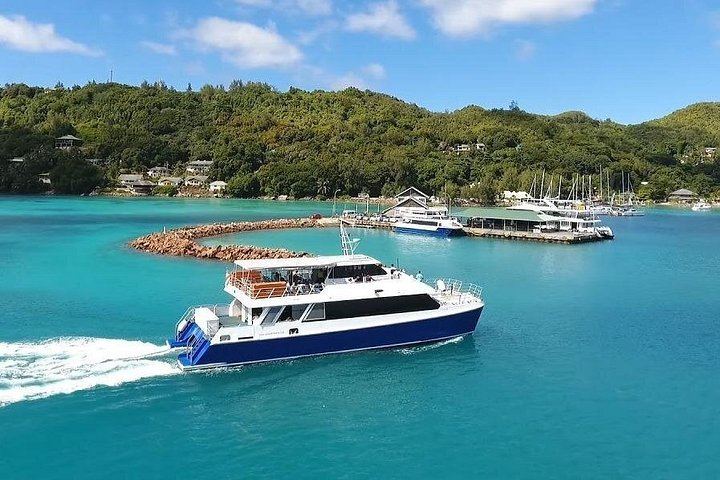
- Between islands: fast ferries link Mahé, Praslin and La Digue; short domestic flights link Mahé and Praslin; smaller islands are reached by boat, light aircraft or helicopter arranged through resorts. See Seychelles Island Hopping.
- On Mahé and Praslin: hire cars, public buses, taxis and organised tours. Traffic drives on the left; roads are narrow and winding.
- On La Digue: bicycles, walking, electric buggies and a few taxis.
Airport and island transfers
Pre-arranged transfers listed on this site, each with its own guide page describing what the operator offers.

Money
The currency is the Seychelles rupee. Cards are widely accepted in hotels, larger restaurants and shops, while smaller guesthouses, cafés, markets and some taxis may prefer cash. ATMs are found in Victoria and the main villages on Mahé and Praslin, with fewer options on La Digue. Check how your bank charges for foreign transactions, and carry some cash for small purchases.
Connectivity and electricity
Mobile coverage is good on the main islands, and local SIM cards and e-SIM options are widely used by visitors; Wi-Fi is common in accommodation but can be slow. Seychelles uses the British-style three-pin plug, so many visitors need an adapter.
Safety
Seychelles is generally a relaxed destination, but take ordinary precautions: do not leave valuables on the beach or in parked cars, use licensed taxis and operators, and lock your accommodation. The biggest risks for most visitors are the sea and the sun — swim only where conditions are safe, respect flags and local advice, and protect yourself from strong sunshine.
Choosing accommodation
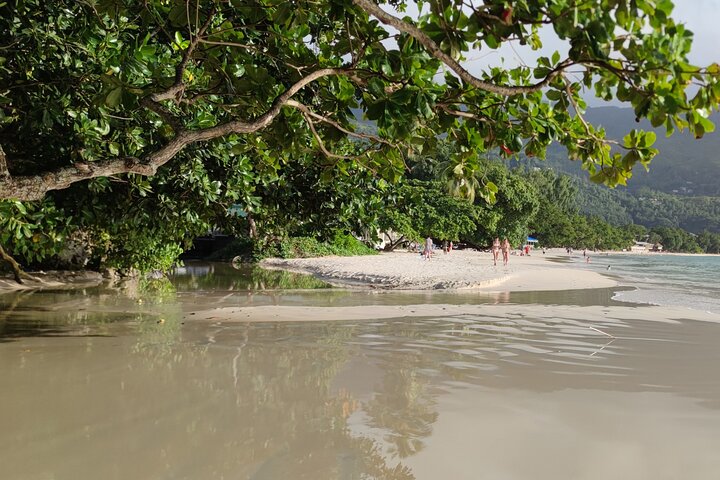
The country has everything from guesthouses and self-catering apartments to small hotels, resorts and private-island lodges. Think about the area first, then the property:
- Couples: a quiet beach area or a small island; La Digue and South Mahé suit slower stays.
- Families: self-catering apartments or villas with space, near a calm beach and shops.
- Budget-conscious travellers: guesthouses and self-catering stays, especially on Mahé’s east coast, around Beau Vallon and on Praslin’s west coast.
- Luxury: resorts on Mahé and Praslin, or a private-island stay at the end of the trip.
Start with the Seychelles accommodation guide and the island guides: where to stay on Mahé, Praslin and La Digue.
Food and daily life
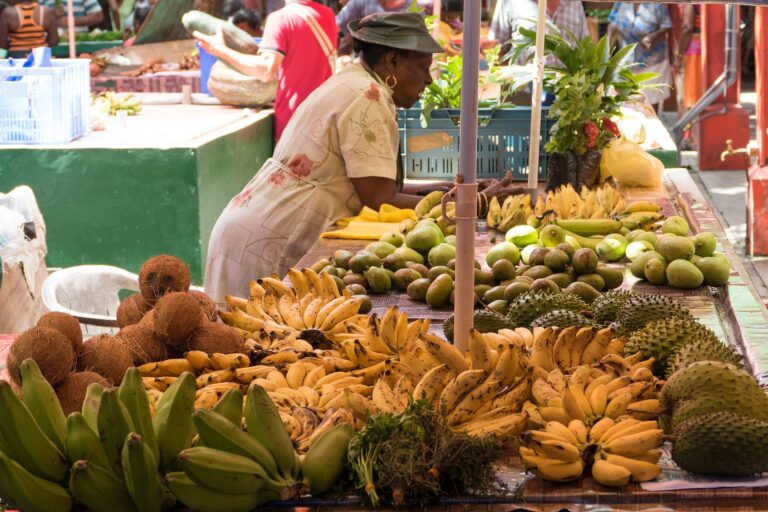
Creole cooking is built on fish, rice, curries and tropical fruit. Self-catering is common, with supermarkets on the main islands and small shops elsewhere. Many shops close early on Saturdays and on Sundays and public holidays, so plan supplies ahead.
Respecting the islands
- Follow park rules in the national and marine parks.
- Never touch or stand on coral, and do not feed fish or wildlife.
- Do not remove shells, sand, coral or coco de mer nuts — the coco de mer is strictly controlled and requires the correct export permit.
- Dress modestly away from the beach and ask before photographing people.
Travel planning checklist for arrival and departure
- Confirm your travel authorisation and passport validity well before departure.
- Plan the first and last nights on Mahé if your flights are late or early.
- Book key ferries or domestic flights for busy periods.
- Keep copies of bookings available offline.
- Allow a buffer before your international flight home.
Continue planning
- Seychelles destinations — every region and island.
- Things to do in Seychelles — beaches, nature, boat trips and culture.
- Seychelles Island Hopping — how the islands connect.
- Official visitor information: seychelles.travel.